
To provide you with the best possible service, this website uses cookies. By continuing to browse this site, you agree to our use of cookies. Please refer to our [Privacy Policy] for more information. Please note that if you choose to disable cookies, some features of the site may not function properly.
Corporate Updates
Hualien Tzu Chi Hospital and Botanicure Sign Memorandum of Understanding
2026-07-01
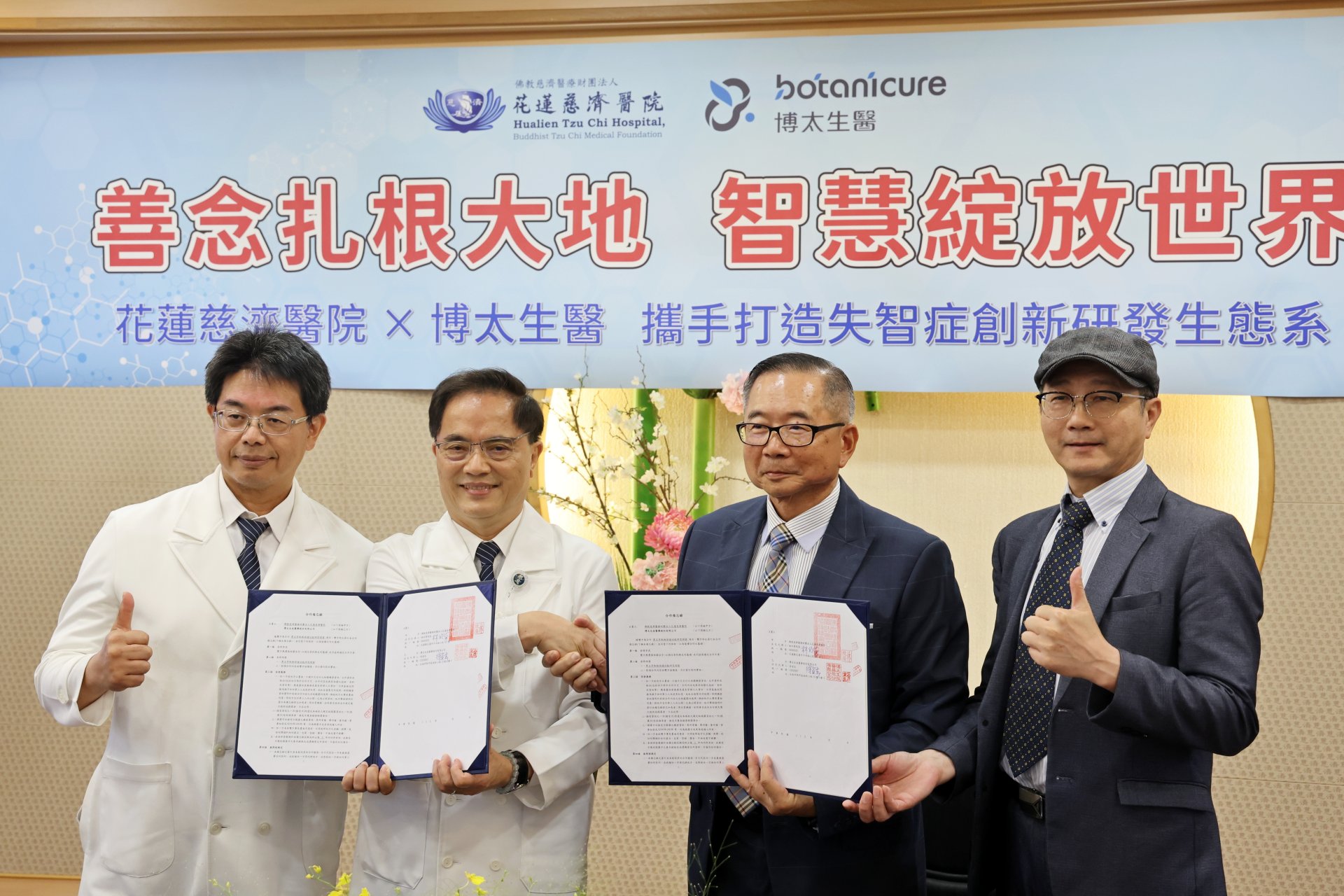
(Photos from left to right) Dr. Tsung-Jung Ho, Vice Superintendent of Hualien Tzu Chi Hospital、Dr. Shinn-Zong Lin, Superintendent of Hualien Tzu Chi Hospital、Yi-Sheng Shyu, Chairman of Botanicure、Dr. Chi-Yue Wu, General Manager of Botanicure
In response to the growing "dementia tsunami" driven by population aging and the rapid increase in dementia cases worldwide, Hualien Tzu Chi Hospital and Botanicure officially signed a Memorandum of Understanding (MOU) on June 30, 2026, at Hualien Tzu Chi Hospital to jointly advance research and development in dementia prevention and treatment.
The collaboration integrates clinical medicine, traditional Chinese medicine (TCM) research, FDA botanical drug development, and Taiwan's indigenous botanical resources to establish a comprehensive innovation platform spanning from basic research to clinical validation.
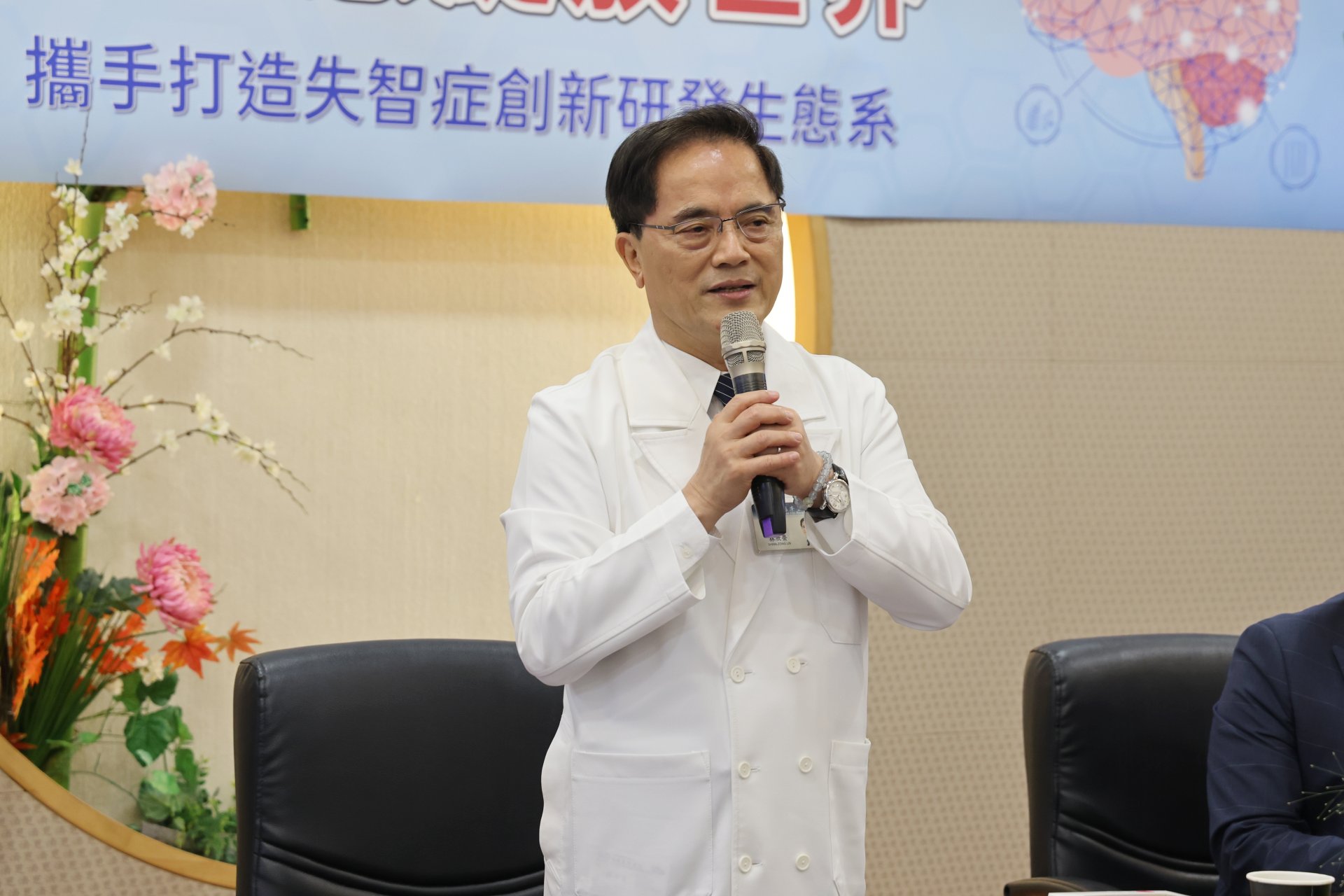
The partnership is led by Dr. Shinn-Zong Lin, Superintendent of Hualien Tzu Chi Hospital, together with Mr. Yi-Sheng Shyu, Chairman of Botanicure; Dr. Andrew H.-J. Wang, Board Director; and Dr. Chi-Yue Wu, General Manager of Botanicure. By combining Hualien Tzu Chi Hospital's expertise in neurology and clinical research with Botanicure's years of experience in FDA botanical drug development for dementia, both organizations aim to develop scientifically validated next-generation products for dementia prevention, brain health, and patient care.
Dr. Shinn-Zong Lin stated that dementia has become one of the world's greatest healthcare and social challenges. Existing therapeutic options remain limited, highlighting the urgent need for innovative solutions based on multiple biological mechanisms and integrative medicine. Hualien Tzu Chi Hospital has long been committed to research on neurodegenerative diseases and hopes this collaboration will closely connect clinical needs with scientific innovation, strengthening Taiwan's capabilities in dementia prevention and treatment.

A key foundation of the collaboration is the botanical research conducted by Hualien Tzu Chi Hospital's Integrative Precision Medicine Team. The team has developed herbal formulations centered on Gastrodia elata (Tianma), combined with medicinal plants including Angelica sinensis (Danggui), Astragalus membranaceus (Huangqi), Salvia miltiorrhiza (Danshen), mugwort (Artemisia argyi), Artemisia lactiflora (Mocao), and Juncao grass. These botanicals have been extensively investigated for their neuroprotective potential, enhancement of cerebral circulation, and applications in neurodegenerative disease research.
Meanwhile, Botanicure has developed its proprietary MTSTTM (Multiple Targets Systematic Therapy Platform) based on Taiwan's indigenous agricultural resources, including black soybean. The platform focuses on developing natural botanical therapeutics characterized by multiple active components, multiple biological targets, and multifunctional mechanisms. Its dementia research encompasses neuroinflammation suppression, improvement of microvascular circulation, amyloid-beta clearance, and promotion of neuronal regeneration.
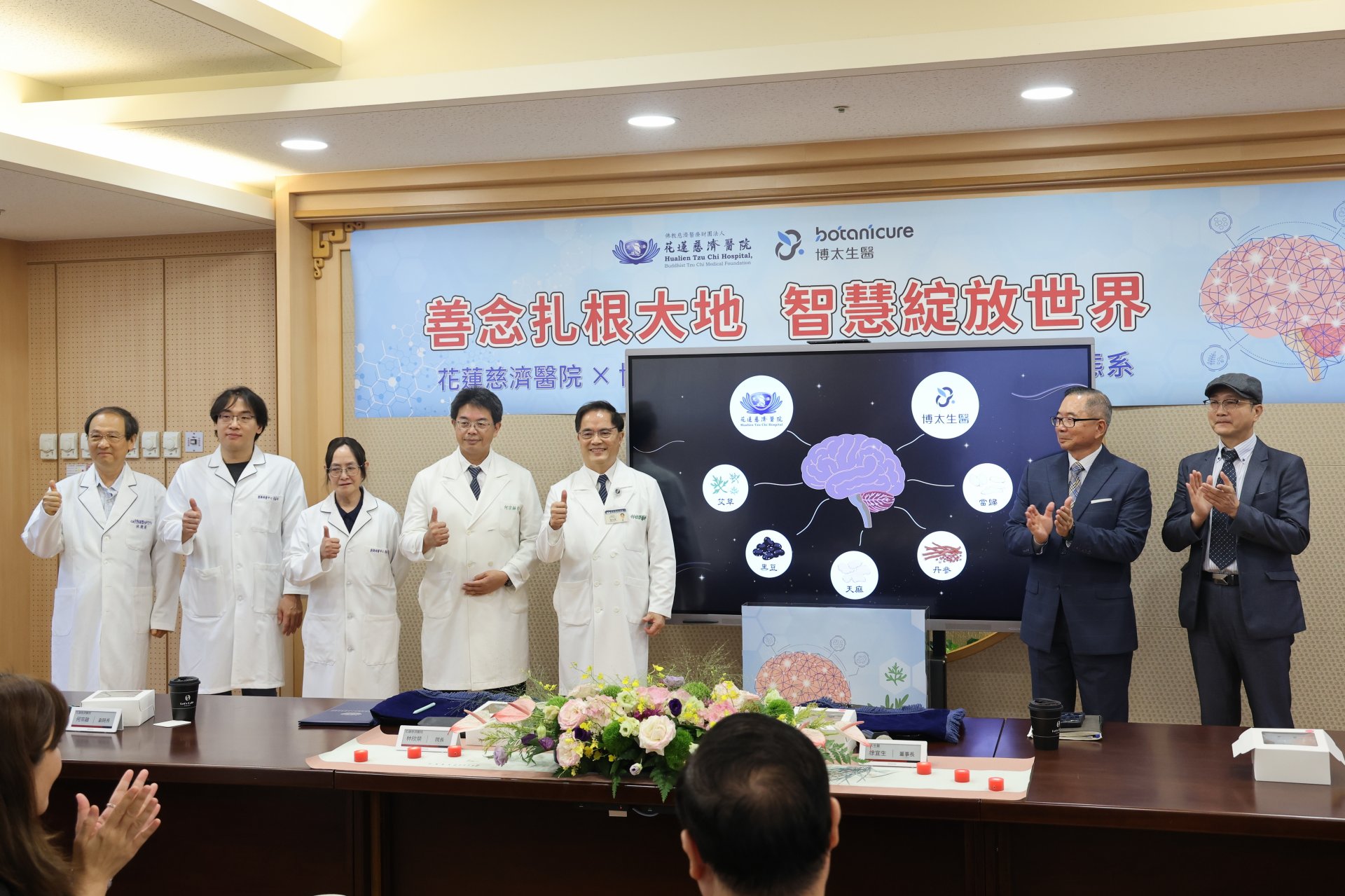
Botanicure has also established a research foundation for transdermal botanical delivery targeting the nervous system. Through this collaboration, the company will further develop oral formulations that utilize gut microbiome modulation together with neuroprotective mechanisms, creating an integrated "oral plus topical" care strategy to provide more comprehensive health management solutions for individuals living with dementia.
Yi-Sheng Shyu, Chairman of Botanicure, emphasized that dementia is not only a medical challenge but also a societal and family challenge. Through collaboration with Hualien Tzu Chi Hospital's clinical research capabilities, Botanicure aims to establish a complete innovation value chain encompassing medicinal plant cultivation, bioactive compound discovery, preclinical studies, clinical validation, and commercialization. This integrated approach is expected to enable Taiwan to develop internationally competitive botanical solutions for dementia.
Beyond biomedical research, Botanicure also plans to promote a "Medicine-Agriculture Integration" strategy by establishing medicinal plant cultivation bases on Taiwan's fallow farmland that comply with Good Agricultural and Collection Practices (GACP). This initiative will support agricultural transformation, regional revitalization, and the development of a stable, traceable supply chain for high-quality botanical raw materials.
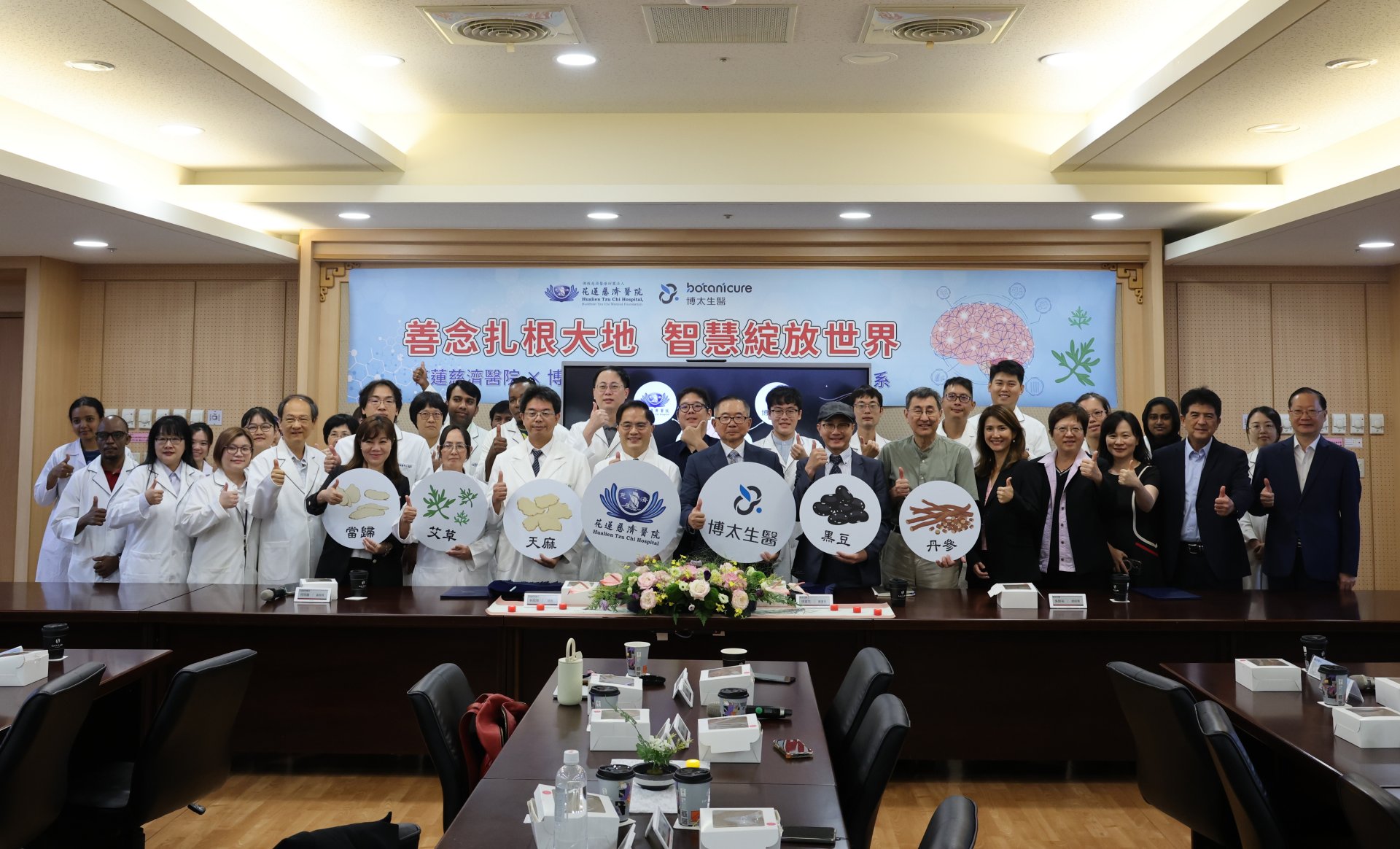
Through cross-disciplinary collaboration among academia, research institutions, healthcare providers, and industry partners, both organizations aim to establish an integrated "oral and topical, dual-modality" approach while building Taiwan's dementia innovation ecosystem. Together, they hope to deliver new Taiwan-developed solutions for the prevention and management of neurodegenerative diseases and contribute to improving brain health worldwide.